
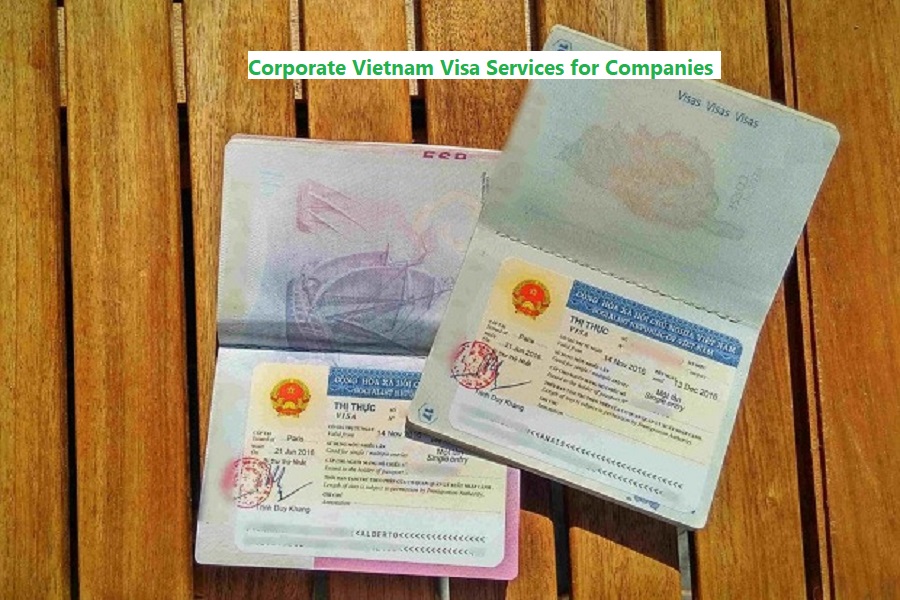
Navigating the visa requirements for corporations operating in Vietnam can be complex yet essential for ensuring compliance and operational efficiency. This blog post provides a comprehensive overview of the various types of visas available to businesses, including the LD work visa, DT investor visa, and DN business visa. Understanding these options is crucial for employers looking to onboard foreign talent effectively. We also discuss the benefits of engaging corporate visa services, which streamline the application process, save time, and enhance the onboarding experience for expatriates. Follow our step-by-step guide to ensure a smooth visa application process and stay informed about future trends shaping corporate visa services in Vietnam.
Understanding Vietnam’s Visa Requirements for Corporates
As businesses expand globally, understanding the visa requirements of foreign jurisdictions becomes essential, especially in emerging markets like Vietnam. Vietnam offers several types of visas catered towards corporate entities, reflecting the country’s commitment to attracting foreign investment while ensuring compliance with legal standards. Each visa type serves different business purposes, and thus, knowing the distinctions is crucial for companies planning to operate in Vietnam.
The primary visa for individuals engaged in work-related activities is the work visa, primarily referred to as the LD visa. This visa is issued to foreign employees, allowing them to work legally in Vietnam under a employment contract with a local company. Companies seeking to bring foreign talent must secure this visa, and obtaining it involves thorough documentation, including proofs of employment and labor contracts. Proper understanding of the LD visa procedures is vital to facilitate a smooth transition for international employees.
Another important category is the investor visa, known as the DT visa vietnam , which is geared toward foreign investors who seek to establish a business presence or invest capital in Vietnam. This visa is crucial for foreign entrepreneurs who wish to take advantage of Vietnam’s growing economy. The DT visa has specific requirements, including a minimum investment capital, which varies based on the type of business entity being established.
Lastly, the business visa, or the DN visa, is tailored for individuals traveling to Vietnam for short-term business activities, such as conferences or meetings. This visa is typically more accessible and has less stringent requirements than work and investor visas, making it an ideal choice for corporate executives or representatives visiting Vietnam for specific business-related purposes.
In summary, understanding the various types of visas available for corporations considering operations in Vietnam is crucial. Each visa type is distinct with its requirements and purposes, enabling entities to navigate the legal landscape effectively while ensuring compliance and operational efficiency in this promising market.
The Benefits of Utilizing Corporate Visa Services
Engaging corporate visa services offers a multitude of advantages for companies aiming to facilitate the smooth entry of foreign employees into Vietnam. One of the primary benefits is the ability to streamline the visa vietnam online application process. Professional corporate visa service providers possess the necessary experience and knowledge of the Vietnamese immigration system, which allows them to navigate the complexities efficiently. This expertise significantly reduces the likelihood of errors that can occur during application submission, thus enhancing the success rate of visa approvals.
Furthermore, utilizing specialized services can save substantial time for businesses. Preparing a visa application can be both time-consuming and intricate. By outsourcing this task, companies can allocate their resources more effectively, focusing on core operations rather than bureaucratic processing. This efficiency ensures that foreign employees are onboarded without unnecessary delays, contributing to a company’s productivity.
Local expertise plays a pivotal role as well in understanding the dynamic Vietnamese immigration landscape. Regulations surrounding visas are subject to change, and a local partner is best equipped to provide updated insights and guidance. This knowledge is invaluable for maintaining compliance with the latest immigration laws, which in turn mitigates potential risks associated with non-compliance.
Moreover, a corporate visa service can enhance the overall onboarding experience for foreign hires by handling all relevant documentation and logistics. This assurance allows expatriates to transition smoothly into their new roles, fostering better integration. Thus, the employment of professional visa services not only benefits the companies themselves but also significantly contributes to the satisfaction and well-being of their foreign employees.
Step-by-Step Process for Obtaining Corporate Visas
Obtaining a corporate visa in Vietnam involves a systematic approach to ensure compliance with local laws and regulations. The process typically begins with the identification of the requirements specific to the type of visa being sought, such as the Temporary Work Permit (TWP) or the Business Visa. The initial stage involves gathering necessary documentation, which may include the company’s business registration certificate, the applicant’s passport copies, and other supporting documents as required by the authorities.
Following the documentation phase, the next step is the submission of the application form to the relevant Vietnamese authorities. This application must be completed accurately to avoid delays or rejection. It is advisable to utilize the services of a professional who specializes in corporate visa applications to facilitate this procedure, as they can offer insights into any nuances that may exist within local regulations.
Upon submission, the application will undergo a review process where authorities may request additional information or clarifications. This step is critical, as most delays in obtaining visas stem from incomplete or insufficient applications. Companies should prepare for potential further documentation requests, thus remembering to maintain open lines of communication with the offices handling the application.
Once the application is approved, applicants will be notified, and the corporate visa can be issued. It is important to ensure that the correct type of visa is received according to the intended length of stay and the nature of work. Lastly, applicants should be aware that renewals or extensions may be necessary, which also require adherence to specific procedures. By following each step carefully and avoiding common pitfalls, organizations can streamline their corporate visa applications and ensure compliance with Vietnamese immigration requirements.
See also this article: Missed flight due to visa issues: What are the emergency solutions?
Future Trends in Corporate Visa Services in Vietnam
As Vietnam continues to establish itself as a key player in the global economy, the future of corporate visa services is expected to evolve significantly. One of the primary drivers of this evolution will be changes in government policies aimed at fostering foreign investment and facilitating business operations. The Vietnamese government has expressed commitment to streamlining immigration processes, which could lead to enhanced visa offerings tailored to meet the specific needs of international companies.
Moreover, the impact of globalization cannot be overstated. As businesses expand their operations across borders, the demand for flexible and responsive corporate visa services will likely increase. Companies will require more expedited application processes to adapt to changing business environments quickly. As a result, service providers may need to include comprehensive packages that address the varying requirements of different jurisdictions, ensuring that businesses remain compliant while minimizing bureaucratic hurdles.
In addition, advancements in technology will play a pivotal role in shaping the future of corporate visa services in Vietnam. The rise of online application platforms will simplify visa applications, allowing companies to submit requests electronically, track their status, and receive notifications on updates in real time. Such platforms can reduce processing times significantly and increase transparency in visa applications. However, these technological innovations will also require businesses to be vigilant about cybersecurity, ensuring that sensitive data remains protected.
Ultimately, as the regulatory landscape continues to change, companies will face challenges such as adapting to new policies and ensuring compliance. It is vital for organizations to remain informed about upcoming shifts in visa regulations to navigate these changes effectively. Staying ahead of these trends will empower businesses to leverage corporate visa services, maintaining competitiveness in a rapidly evolving market.
Liên hệ đơn vị
VisaVietnamOnline
- Address: 1728 Big Canyon Trail, Carrollton, TX 75007, US
- Phone: +1(972)-666-0676
- WhatsApp:(+84)968 18 77 18
- Email:[email protected]
- Website: visavietnamonline.org
